
"Ethiopian coffee production"
6000 article(s) found

Introduction of Ethiopian Water washing Sidamo G1 Sukowell Ethiopia Sidamo Suke Ware
For the exchange of professional baristas, please follow the coffee workshop (Wechat official account cafe_style) there are eight major producing areas of Ethiopian coffee: Ekempti, Limu, Illubabor, Djimma, Harrar, Teppi/Bebeka, Sidamo, Yirgacheffe. Ethiopian coffee is highly rated in Taiwan, especially for Ethiopian Harrar and Xida.

What are the characteristics of Ethiopian coffee beans? introduction to the varieties and prices of Ethiopian coffee
Professional coffee knowledge exchange more coffee bean information please follow the coffee workshop (Wechat official account cafe_style) Ethiopia Coffee Front Street introduction Harar Hara is located in the Eastern Highlands of Ethiopia (Harerge Province) and grows between 5000 and 7000 feet above sea level. It was still wild on the slopes a century ago, and most of the raw beans are medium size and long at both ends, green in color.

Introduction to Fine Coffee in Ethiopian Coffee Variety producing area and Flavor Manor producing area
In February 1977, Lieutenant Colonel Mengistu Haier Maryam (MENGISTU HAILE MARIAM) launched a military coup and served as Chairman of the interim military Administrative Council and head of State. In 1979, the Ethiopian Labor people's Party Organization Committee, dominated by soldiers, was established to implement an one-party system. In 1984, the Ethiopian Workers' Party was formed according to the Soviet Communist Party model. Mengistu, September 1987

Introduction to the characteristics of Ethiopian Coffee Brand Flavor description in the Top Ten Coffee producing countries
Yega Xuefei is a small town, 700-2100 meters above sea level, synonymous with Ethiopian boutique coffee. It has been a wetland since ancient times. The ancient saying "Yirga" means to settle down and "Cheffe" means a wetland. The mode of production and flavor of coffee here are so outstanding that Ethiopian coffee farmers compete to be proud of the flavor of their coffee, making it the best in Africa.

What is Ethiopian coffee? What is the treatment of Ethiopian coffee?
Ethiopia is a professional coffee knowledge exchange more information about coffee beans Please follow the coffee workshop (Wechat official account cafe_style) Arabica Coffee is the hometown of Arabica Coffee, it is in the forests of the Kaffa region, you can see wild Arabica coffee. In Ethiopian, coffee is called Bun or Buna, and coffee beans (coffeebean) may come from

The Ethiopian Coffee Guide gives you a 5-minute understanding of the origin of coffee
Ethiopia is recognized as the birthplace of coffee and is highly respected in the specialty coffee industry. Coffee beans from this country are the staple food on the menu of coffee shops around the world. But why is Ethiopian coffee so well received? How much do you really know about this origin? Coffee production areas in Ethiopia vary widely from region to region, micro-region and even from farm to farm.

An introduction to the unique soft Ethiopian Yega Sheffivoka flavor description grinding degree.
In February 1977, Lieutenant Colonel Mengistu Haier Maryam (MENGISTU HAILE MARIAM) launched a military coup and served as Chairman of the interim military Administrative Council and head of State. In 1979, the Ethiopian Labor people's Party Organization Committee, dominated by soldiers, was established to implement an one-party system. In 1984, the Ethiopian Workers' Party was formed according to the Soviet Communist Party model. Mengistu, September 1987

Flavor characteristics of Ethiopian Fine Coffee Ethiopian Coffee
Ethiopia is the hometown of Arabica coffee, and it is in the forests of Kaffa that you can see wild Arabica coffee. In Ethiopian, coffee is called Bun or Buna, and coffee beans (coffeebean) may be translated from Kaffa Bun. Arabica coffee was discovered early in the Harald area, probably from Kafa.

Introduction to the description of varieties and flavors in Ethiopian Coffee Manor with rich texture
The coffee market regulatory body in Ethiopia is the Ethiopian Coffee and Tea products Administration. There are two auction centers in the country, one in the capital Addis Ababa (Addis Ababa) and the other in Dire Dawa in eastern Ethiopia. Coffee growers bring fresh fruit or to private coffee processing plants or cooperative coffee washing stations
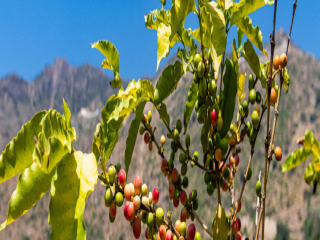
Coffee originated from African boutique coffee basic knowledge introduction to Ethiopian coffee beans
Coffee originated in Africa and little is known about it. In fact, Africa Ethiopia is the hometown of coffee, producing the best Arabian coffee in the world. Soil, climatic conditions and an altitude of more than 2000 meters above sea level have enabled many African countries to create an ideal environment for the growth of coffee. Current coffee production in Africa
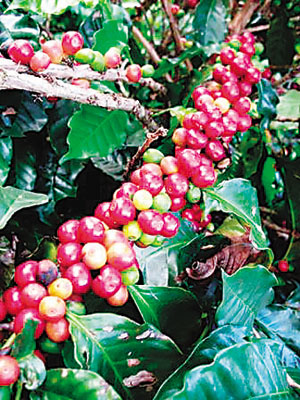
Ethiopian Coffee Edido Ediot Cooperative African Yega Sheffield Ethiopian Coffee
Production area of Edido Edidot Cooperative (1750-2300 m): Gedeo- Yega Xuefei members: 1044 people Land attribute: red brown soil can provide a set of treatment equipment certificates: Fair Trade Fair Trade, Organic organic coffee processing plant screening available berries, directly placed on the shelf exposure, just a few days before the sun will be turned every 2-3 hours to prevent excessive hair

Ethiopian Sidamo sun treatment of lion king Ethiopia Ethiopian coffee beans Sidamo
Country: Ethiopia level: G1 production area: Guji planting altitude: 1800-2000m soil species: annual rainfall of volcanic laterite: 1100-1200 cm treatment method: sun varieties: local native species (Heirloom) treatment field: Sirsa cooperative bean specification: 17-18 mesh flavor: jasmine, honey, citrus, ripe berries

Flavor description of Ethiopian Cochel coffee beans taste grinding scale production area
The flavor of Ethiopian Cochelle coffee beans describes the taste grinding scale producing area Cochelle is in the Yejia Sheffield region of southern Ethiopia, but it is said to be one of the highest places on earth to grow coffee. Due to the high altitude, wild native species of coffee, and iron-rich soil, the Cochel community is a very good quality coffee in Yejia Sheffield. Have active citrus acid

Ethiopian coffee beans, coffee beans
Ethiopia is home to Arabica coffee, and it is in the forests of the Kaffa region that you can see Arabica coffee growing wild. In Ethiopian, coffee is called Bun or Buna, and coffee beans may be translated from Kaffa Bun. Arabica coffee was discovered early in the Harar region, most likely from Karachi.

Variety characteristics of naturally fermented sun-cured Ethiopian coffee introduction to the flavor of fine coffee beans in the manor
Ethiopia has unique natural conditions suitable for growing all imaginable varieties of coffee. As a upland crop, Ethiopian coffee beans are mainly grown in areas between 1100 and 2300 meters above sea level, roughly distributed in southern Ethiopia. Deep soil, well drained soil, weakly acidic soil, laterite and soil are soft and contain

Taste characteristics of natural Ethiopian coffee fermented in the sun introduction to the flavor of fine coffee beans in the manor
Ethiopia has unique natural conditions suitable for growing all imaginable varieties of coffee. As a upland crop, Ethiopian coffee beans are mainly grown in areas between 1100 and 2300 meters above sea level, roughly distributed in southern Ethiopia. Deep soil, well drained soil, weakly acidic soil, laterite and soil are soft and contain

Introduction of High-quality Coffee in producing areas of Ethiopian Coffee
In Ethiopia, the grading and quality control system of coffee is divided into three levels: producer, regional and national. All coffee is inspected by local inspection agencies before leaving the country of origin, and then re-tested at the coffee inspection and grading centers in Addis and Diredawa to determine its quality grade. Coffee is graded before auction and sale, for all involved in production, acquisition,
Introduction to the flavor of high-quality coffee beans in the manor characteristics of natural Ethiopian coffee fermented in the sun
Ethiopia has unique natural conditions suitable for growing all imaginable varieties of coffee. As a upland crop, Ethiopian coffee beans are mainly grown in areas between 1100 and 2300 meters above sea level, roughly distributed in southern Ethiopia. Deep soil, well drained soil, weakly acidic soil, laterite and soil are soft and contain

Characteristics of Ethiopian coffee flavor of Ethiopian coffee
Yega Sheffield Coffee refers to the Yega Sheffield Coffee produced in Ethiopia. Yega Xuefei is the name of a local town. It is about 1700-2100 meters above sea level. Now Yejashafi coffee has become synonymous with Ethiopian boutique coffee. Although the Ethiopian Yirgacheffe coffee is petite, it is gentle and delicate and sweet. For coffee.

Ethiopian coffee beans
Ethiopia (Ethiopia) is one of the major producers of Arab coffee beans in Africa, producing the best Arab mocha beans in the world. It is said that coffee beans were first discovered by shepherds in the Kafa region of Ethiopia, and the name of coffee evolved from Kafa, so Ethiopia is still the hometown of coffee. Production and processing of coffee beans in Ethiopia